

The “Authority” explores the future of government talent in the age of AI in the World Governments Summit 2026
Government leaders, ministers, officials, experts, and heads of human resources authorities from several countries around the world, alongside private sector leaders, explored the future of government human resources systems and examined ways to develop them and ensure their flexibility and readiness to anticipate the rapid transformations driven by artificial intelligence.
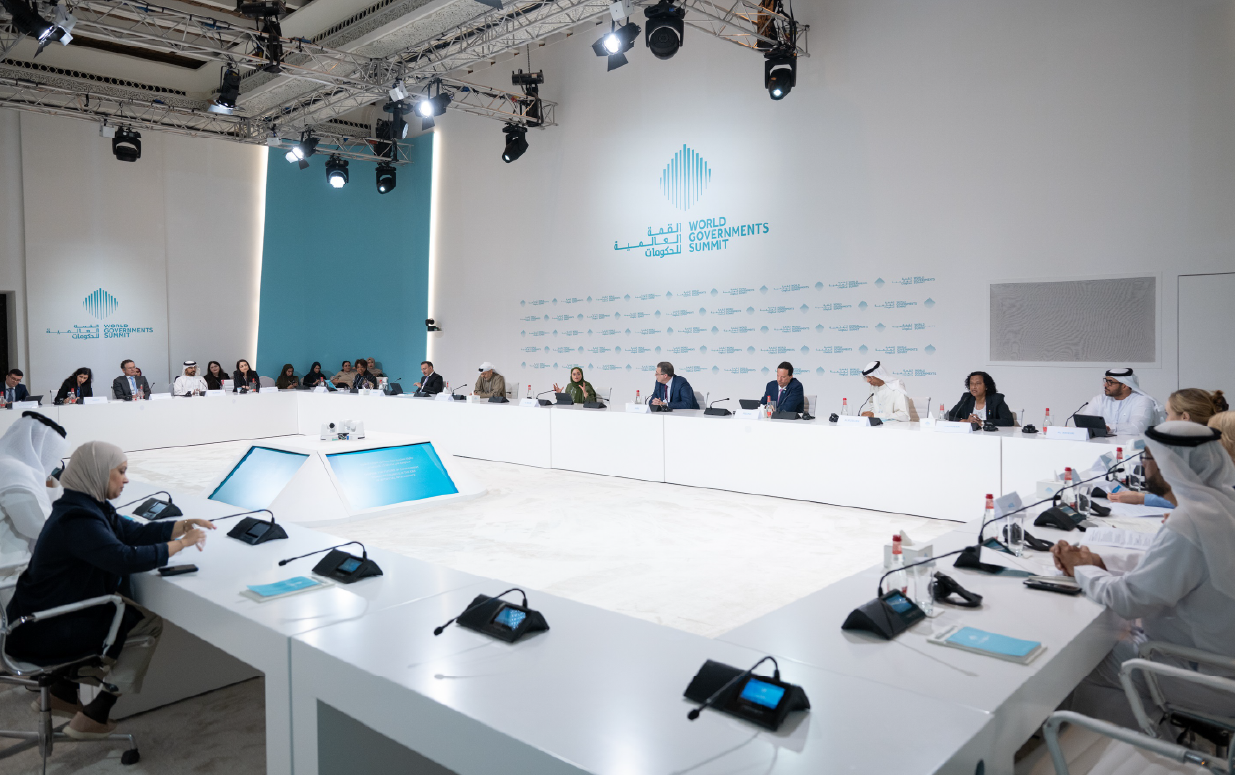
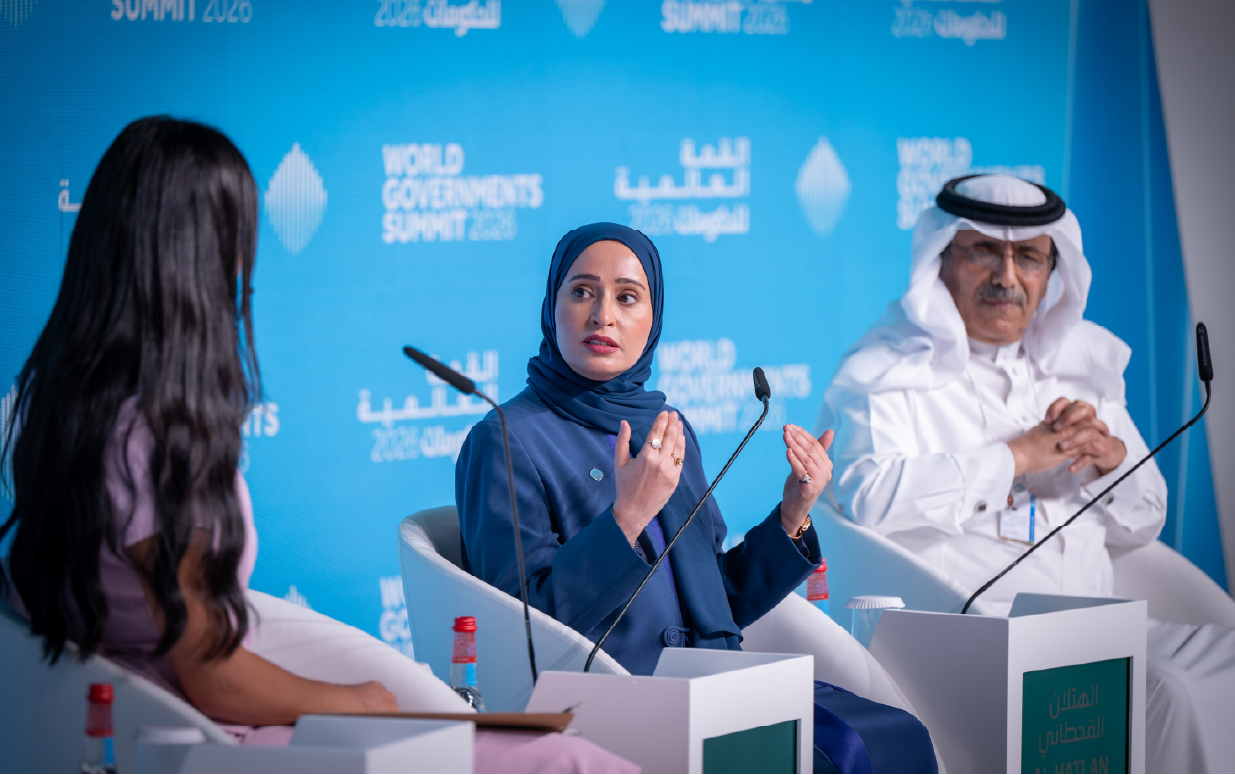
This took place during a roundtable convened by the Federal Authority for Government Human Resources as part of the activities of the World Governments Summit 2026, in the presence of Her Excellency Ohood bint Khalfan Al Roumi, Minister of State for Government Development and the Future and Deputy Chair of the World Governments Summit, and Chairwoman of the FAHR.
in the meeting Participants addressed three main themes, artificial intelligence and its role in redefining government jobs, new skill-based models for government work, and the future government work environment in the age of artificial intelligence.
Her Excellency Ohood bint Khalfan Al Roumi affirmed that artificial intelligence has become a key driver of transformation, reshaping jobs, labour markets, and human resources systems at an unprecedented pace. She noted that the traditional role of human resources is evolving into a strategic function that anticipates the future, focuses on capability building, identifies emerging skills, and empowers national talent to effectively navigate accelerating change.
this transformation requires governments to accelerate the redesign of human resources systems to be more agile, human‑centric, and future‑ready in the age of artificial intelligence. Her Excellency underscored the importance of investing in continuous learning and building integrated talent ecosystems that enable government employees to adapt with confidence and efficiency to future shifts, while fostering sustainable, high‑impact government work environments. She added
Artificial Intelligence Redefines Government Jobs
During the meeting, the main themes of a special report on the future of government jobs in the age of artificial intelligence were presented. The report was prepared by the Federal Authority for Government Human Resources in cooperation with summit knowledge partner Boston Consulting Group (BCG). It examined fundamental transformations in the government job system, monitored and analyzed leading global government experiences, and outlined a strategic roadmap for developing the future government job system through 2035.
Participants reviewed the fundamental transformations brought about by artificial intelligence in the concept of government jobs over the past decade. Jobs are no longer routine and traditional but have become more dynamic and integrated with intelligent technologies. Discussions addressed the features of “hybrid jobs” that combine human capabilities with intelligent data analysis, new emerging roles in the government sector, and the limits of delegating decision-making to intelligent systems in a manner that balances technical efficiency with human responsibility and governance.
A Future Government Work Environment
Participants highlighted the shift towards a skill-based government work model as a fundamental pillar for enhancing the competitiveness of government talent and its future readiness, through the adoption of competency systems based on skills rather than traditional qualifications. Mechanisms for redefining jobs and career paths to align with future skills were also discussed, along with the legislative and regulatory requirements necessary to transition to a flexible accreditation system focused on actual capabilities and competencies.
Participants also addressed the future of the government work environment in the age of artificial intelligence and its features over the next decade, including flexible work models, policies and legislation, achieving balance between technology and people, ways to enhance the attractiveness of government work environments to attract talent from different generations, and mechanisms for measuring the success of future work environments through performance indicators, job satisfaction, productivity, and sustainability.
You can help us improve by providing your feedback about your experience
